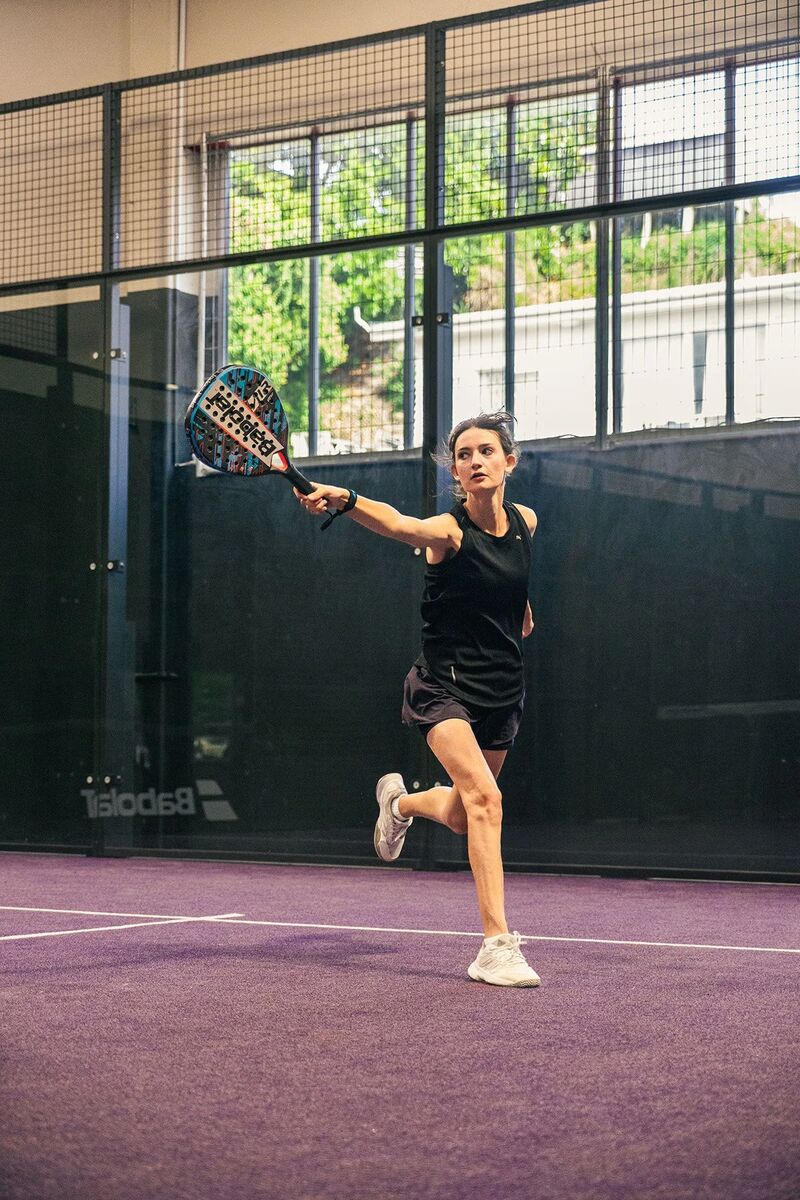
Your racket gets all the attention, but your shoes do the real work. They determine whether you slide confidently into shots or slip at crucial moments. Whether you can change direction explosively or struggle with traction. Whether you finish matches feeling fresh or with aching feet.
Here's what matters in padel footwear, and which shoes deliver the performance you need.
Understanding Court Surfaces
Padel courts aren't all the same, and the surface type determines everything about shoe choice. Get this wrong and even the best shoe becomes a liability.
Artificial turf with sand (most common in NZ): Requires shoes with small, tightly-packed studs or omni-court patterns. Too aggressive and you'll catch and twist. Too smooth and you'll slide uncontrollably.
Clay courts: Need herringbone or zigzag patterns that allow controlled sliding while providing grip for direction changes. Clay shoes on turf courts feel unstable and wear quickly.
Hard courts (rare in padel): Similar requirements to tennis hard court shoes. Deep treads for grip and durability.
Essential Features for Padel Shoes
Lateral Support
Padel involves constant side-to-side movement, making lateral stability crucial. Look for reinforced sidewalls, outriggers that extend beyond the midsole, and ankle support that doesn't restrict movement.
Toe Protection
You'll drag your toes during slides and low volleys. Durable toe caps or reinforced toe areas prevent premature wear and potential injury.
Heel Control
Quick directional changes demand secure heel lockdown. Deep heel cups and snug collar construction keep your foot positioned properly during explosive movements.
Cushioning Balance
Too much cushioning feels unstable during lateral movements. Too little causes fatigue and discomfort. The best padel shoes balance court feel with shock absorption.
Top 6 Padel Shoes for 2026
1. Adidas Barricade 13
The Gold Standard · $249 NZD
Pros: Exceptional durability, outstanding lateral support, excellent traction on all surfaces, proven tour performance
Cons: Premium price, can feel stiff initially, heavier than some alternatives
The Barricade remains the benchmark for serious padel players. The 13th generation refines everything that made previous versions legendary. Torsion System provides midfoot stability, Adituff toe reinforcement handles the hardest slides, and the Continental rubber compound grips perfectly on turf. These shoes are built for players who demand professional-level performance and durability.
2. ASICS Gel-Resolution 9
Comfort Meets Performance · $219 NZD
Pros: Superior comfort, excellent cushioning, good lateral support, great for wide feet
Cons: Less durable than premium options, can feel soft for aggressive players
ASICS brings their running shoe comfort expertise to court sports brilliantly. The Gel cushioning system absorbs impact without compromising stability. FlyteFoam midsole provides responsive feel while Trusstic System prevents overpronation during side movements. If you prioritise comfort for long sessions over maximum durability, the Gel-Resolution delivers.
3. Nike Air Zoom Vapor 11
Speed and Agility · $199 NZD
Pros: Lightweight feel, responsive cushioning, excellent court feel, modern design
Cons: Less lateral support than heavy-duty options, not ideal for hard sliders
Nike's approach emphasises speed and responsiveness over maximum protection. Zoom Air units in forefoot provide explosive push-off, while the low-profile design enhances court connection. The XDR rubber compound offers good durability for the weight. Perfect for quick players who rely on speed rather than power sliding.
4. K-Swiss Hypercourt Express 2
Value Champion · $159 NZD
Pros: Outstanding value, comfortable fit, good all-round performance, widely available
Cons: Less premium feel, shorter lifespan than expensive options, basic aesthetics
K-Swiss proves performance doesn't require premium pricing. The Hypercourt Express delivers essential padel shoe features without expensive materials. Surge midsole provides adequate cushioning, Aosta 7.0 rubber offers decent traction, and the construction handles recreational to intermediate play beautifully. An excellent first padel shoe or backup option.
5. Babolat Propulse Fury
French Engineering · $229 NZD
Pros: Excellent lateral stability, durable construction, good traction patterns, comfortable fit
Cons: Can run narrow, limited colour options, premium pricing
Babolat's court sports expertise shows in every detail. KPRS-X cushioning system provides targeted support for padel-specific movements. Michelin rubber compound offers exceptional grip and durability. The Cell Shield technology protects against impacts while maintaining flexibility. Built for players who appreciate technical innovation and proven performance.
6. HEAD Revolt Pro 4.0
Precision Control · $189 NZD
Pros: Excellent stability, good value proposition, comfortable for longer play, reliable traction
Cons: Less cushioning than premium options, can feel firm on hard courts
HEAD's approach prioritises stability and control over maximum cushioning. TRI-NRG sole provides three-density construction that balances comfort with court feel. The seamless construction reduces hot spots during long matches. Ideal for players who want reliable performance without paying premium prices.
Clay vs Omni-Court Soles
Clay Court Soles
Best for: Traditional clay courts, some artificial clay surfaces
Pattern: Herringbone or zigzag treads that allow controlled sliding
Material: Softer rubber compounds that grip clay particles
Benefits: Natural sliding motion, excellent grip on clay, traditional padel feel
Drawbacks: Poor performance on artificial turf, faster wear on hard surfaces
Omni-Court Soles
Best for: Artificial turf, hard courts, mixed surface play
Pattern: Small circular or rectangular studs in tight patterns
Material: Harder rubber compounds for durability
Benefits: Versatile performance, excellent on turf courts, better durability
Drawbacks: Less natural sliding on clay, can feel "grabby" for clay court players
New Zealand Considerations
Playing padel in New Zealand presents specific challenges that affect shoe choice:
Surface reality: Most NZ courts use artificial turf with sand infill. Omni-court soles generally work better than clay patterns on these surfaces.
Weather conditions: Variable weather means shoes need to handle both dry and damp conditions. Water-resistant uppers help in New Zealand's unpredictable climate.
Court maintenance: Newer facilities maintain surfaces well, but some courts may have uneven wear or sand displacement. Shoes with good traction patterns handle these inconsistencies better.
Availability: Tennis shoes are easier to find than padel-specific models. Focus on technical requirements rather than sport-specific labelling.
Sizing and Fit
Padel shoes should fit differently than running shoes or casual footwear:
- Length: About half a thumb width of space at the toe. Your feet will move forward during aggressive play.
- Width: Snug but not tight. Your foot shouldn't slide sideways during lateral movements.
- Heel: Locked down securely with no lifting during movement.
- Arch: Supported but not overly aggressive. Court shoes need different arch support than running shoes.
Try-on tips: Shop in the afternoon when feet are slightly swollen. Wear your preferred padel socks. Walk around for several minutes, not just a quick step.
When to Replace Padel Shoes
Unlike rackets, shoes have clear replacement indicators:
- Sole wear: When tread patterns become shallow or wear unevenly
- Lateral support loss: If the shoe feels unstable during side movements
- Cushioning breakdown: When impact feels harsh or uncomfortable
- Upper damage: Significant tears or separation from sole
Playing frequency affects replacement timing. Recreational players (1-2 times weekly) might get 8-12 months. Regular players (3-4 times weekly) typically need replacement every 4-6 months.
Your shoes are your connection to the court. Invest in quality, replace before they become a liability, and your game will benefit immediately.
Want more equipment guidance? Check our racket selection guide or explore rackets that match different playing styles.