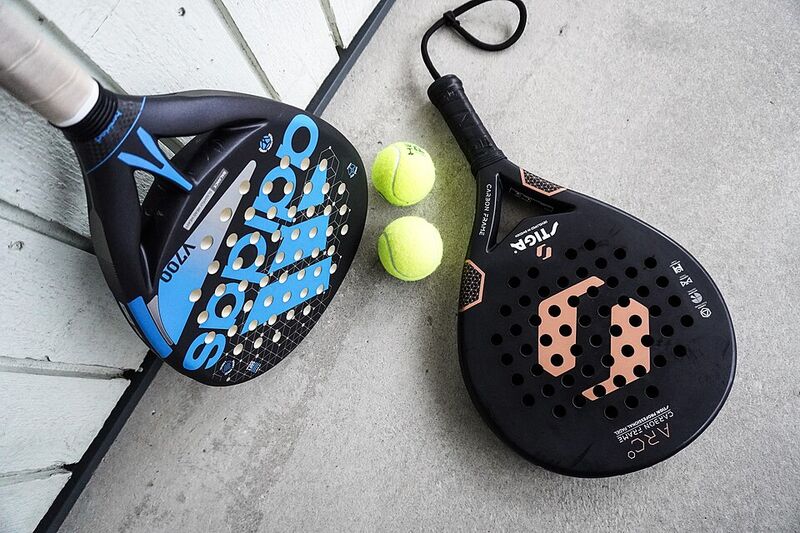
Racket weight is one of the most misunderstood aspects of padel equipment. Players obsess over grams without understanding what those numbers actually mean for their game. The truth is simpler and more nuanced than most people think.
Here's how weight affects your play, what the numbers really mean, and how to choose the right weight for your situation.
The Physics of Racket Weight
Weight affects three fundamental aspects of your game, and they're all connected:
Power Generation
Heavier rackets transfer more energy to the ball, but only if you can maintain the same swing speed. The relationship isn't linear - a 20g increase doesn't automatically mean 20% more power. Your body's ability to accelerate the racket matters more than the weight itself.
Manoeuvrability
Lighter rackets move faster through the air, making quick adjustments and reaction shots easier. This is crucial at the net where split-second responses determine point outcomes. Every 10-15g difference is noticeable during rapid exchanges.
Stability
Heavier rackets resist twisting on off-centre hits, providing better stability and control on defensive shots. When you're stretched and can't hit the sweet spot perfectly, weight helps keep the ball in play.
Weight Categories Explained
Light (345-360g)
Best for: Beginners, defensive players, those with arm issues, quick net players
Characteristics: Fast swing speed, easy manoeuvrability, less arm fatigue, reduced stability on power shots
Light rackets excel when reaction time matters more than raw power. You can swing faster, change direction quicker, and play longer without fatigue. The trade-off is less mass behind the ball for powerful drives and overhead smashes.
Medium (360-375g)
Best for: Intermediate players, all-round game styles, most recreational players
Characteristics: Balance of power and control, manageable swing weight, good stability without excessive strain
The sweet spot for most players. Medium weight provides enough mass for decent power while maintaining reasonable manoeuvrability. Most quality rackets fall into this range because it works for the broadest range of players and styles.
Heavy (375-385g+)
Best for: Advanced players, power-oriented styles, strong physical players, competitive match play
Characteristics: Maximum power potential, excellent stability, reduced manoeuvrability, higher physical demands
Heavy rackets reward good technique with impressive power and control. They're less forgiving but provide the highest performance ceiling. You need solid fundamentals and good conditioning to handle them effectively for full matches.
Weight vs Swing Weight
Here's where it gets interesting: static weight (the number on the specs) tells only part of the story. Swing weight - how heavy the racket feels when you swing it - matters more for actual performance.
Two rackets can weigh exactly the same but feel completely different because of weight distribution:
- Head-heavy balance: More weight toward the racket head increases swing weight, making the racket feel heavier and more powerful
- Head-light balance: More weight in the handle reduces swing weight, making the racket feel lighter and more manoeuvrable
- Even balance: Weight distributed evenly provides balanced characteristics
A 370g racket with head-light balance might feel more manoeuvrable than a 365g racket with head-heavy balance.
Choosing Weight by Skill Level
Beginner Players
Recommended range: 355-365g
When you're learning basic strokes and developing consistency, lighter rackets offer significant advantages. You can focus on technique without fighting racket weight, and the reduced physical demand lets you practice longer. Most beginners lack the timing and conditioning to benefit from heavier rackets.
Intermediate Players
Recommended range: 365-375g
As your technique solidifies, you can handle more weight and start appreciating the benefits. Medium weight rackets provide power for attacking shots while maintaining enough manoeuvrability for defensive play. This is where you start developing preferences based on playing style.
Advanced Players
Recommended range: 370-385g+
Advanced players choose weight based on specific performance needs rather than general guidelines. Power players might go heavy for maximum ball velocity. Defensive specialists might prefer medium weight for reaction speed. Tour players often use heavier rackets than recreational players realise.
Playing Style Considerations
Aggressive/Power Players
Heavier rackets suit attacking styles that prioritise ending points over extending rallies. The extra mass helps generate pace on drives and overhead smashes. If you regularly step into shots looking for winners, weight works in your favour.
Defensive/Control Players
Lighter rackets benefit defensive styles that emphasise court coverage and reaction shots. Quick net exchanges, defensive lobs, and rapid position changes all favour reduced weight. If your game is built on retrieving and outlasting opponents, prioritise manoeuvrability.
All-Court Players
Balanced styles work best with medium weights that don't compromise either power or manoeuvrability too severely. You want enough weight for attacking opportunities without sacrificing defensive capabilities.
Physical Factors
Arm Strength and Conditioning
Heavier rackets demand more from your arm, shoulder, and core muscles. If you're not conditioned for the extra load, you'll fatigue faster and your technique will suffer. Build up gradually rather than jumping to maximum weight immediately.
Injury History
Players with elbow, wrist, or shoulder issues often benefit from lighter rackets that reduce stress on vulnerable joints. The power sacrifice is usually less important than avoiding re-injury and maintaining long-term playing ability.
Match Duration
Consider how long you typically play. Recreational players in casual games might handle heavier rackets fine, while tournament players facing 2-3 hour matches need to factor in fatigue accumulation over time.
Common Weight Mistakes
Copying Professional Players
Tour players use rackets designed for their specific technique, conditioning, and playing schedule. What works for someone training 6 hours daily may not suit weekend recreational play. Choose based on your actual situation, not aspirational copying.
Equating Heavy with Better
More weight doesn't automatically mean better performance. A racket that's too heavy for your technique and conditioning will hurt your game more than help it. The best weight is the one you can swing effectively for your typical playing duration.
Ignoring Balance
Focusing only on static weight while ignoring balance point leads to poor choices. A well-balanced 370g racket might feel better than a poorly-balanced 365g option. Consider the complete weight distribution.
Never Experimenting
Many players stick with their first racket weight without exploring alternatives as their game develops. Your optimal weight changes as your technique improves, strength increases, and playing style evolves.
Testing and Transition
Demo Before Buying
Weight is impossible to judge from specifications alone. Demo rackets whenever possible, ideally for full practice sessions rather than brief hitting periods. You need time to feel how weight affects your game under realistic conditions.
Gradual Changes
When moving to a different weight category, transition gradually. Jumping from 360g to 380g overnight will likely hurt your performance and potentially cause injury. Try 5-10g increments and allow adaptation time.
Consider Multiple Rackets
Some players benefit from having different weights for different situations. A lighter racket for long practice sessions and a heavier one for competitive matches. Or seasonal variations based on conditioning levels.
The right weight is the one that lets you execute your best shots consistently for your typical playing duration. Numbers matter less than how the racket performs in your hands.
Ready to explore weight options? Check our racket reviews filtered by weight, or learn about other factors that affect racket choice.